Fewer than 1,000 people still speak Haketia. Work with native speakers to record and study the language, and add to its permanent record.
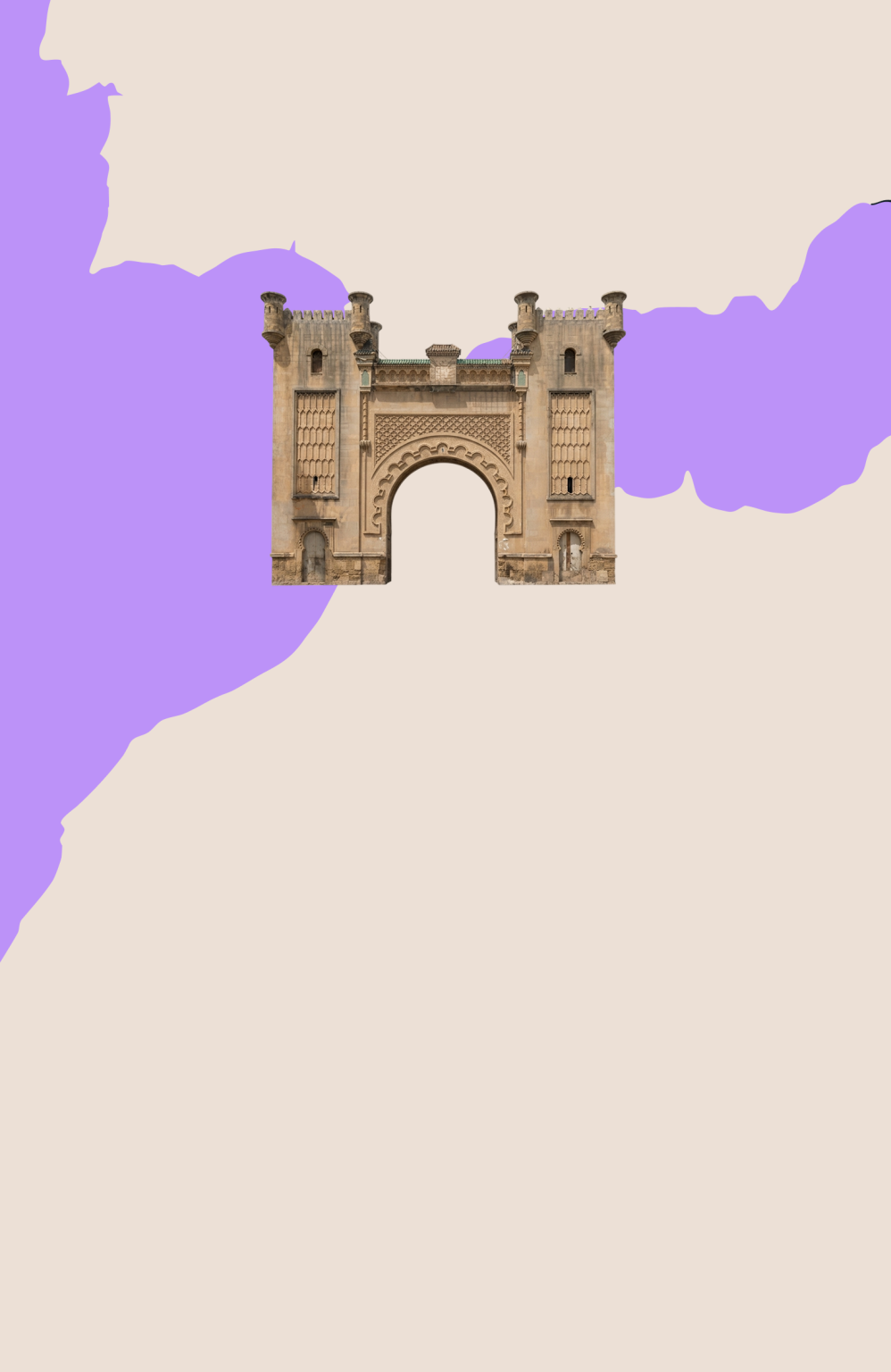
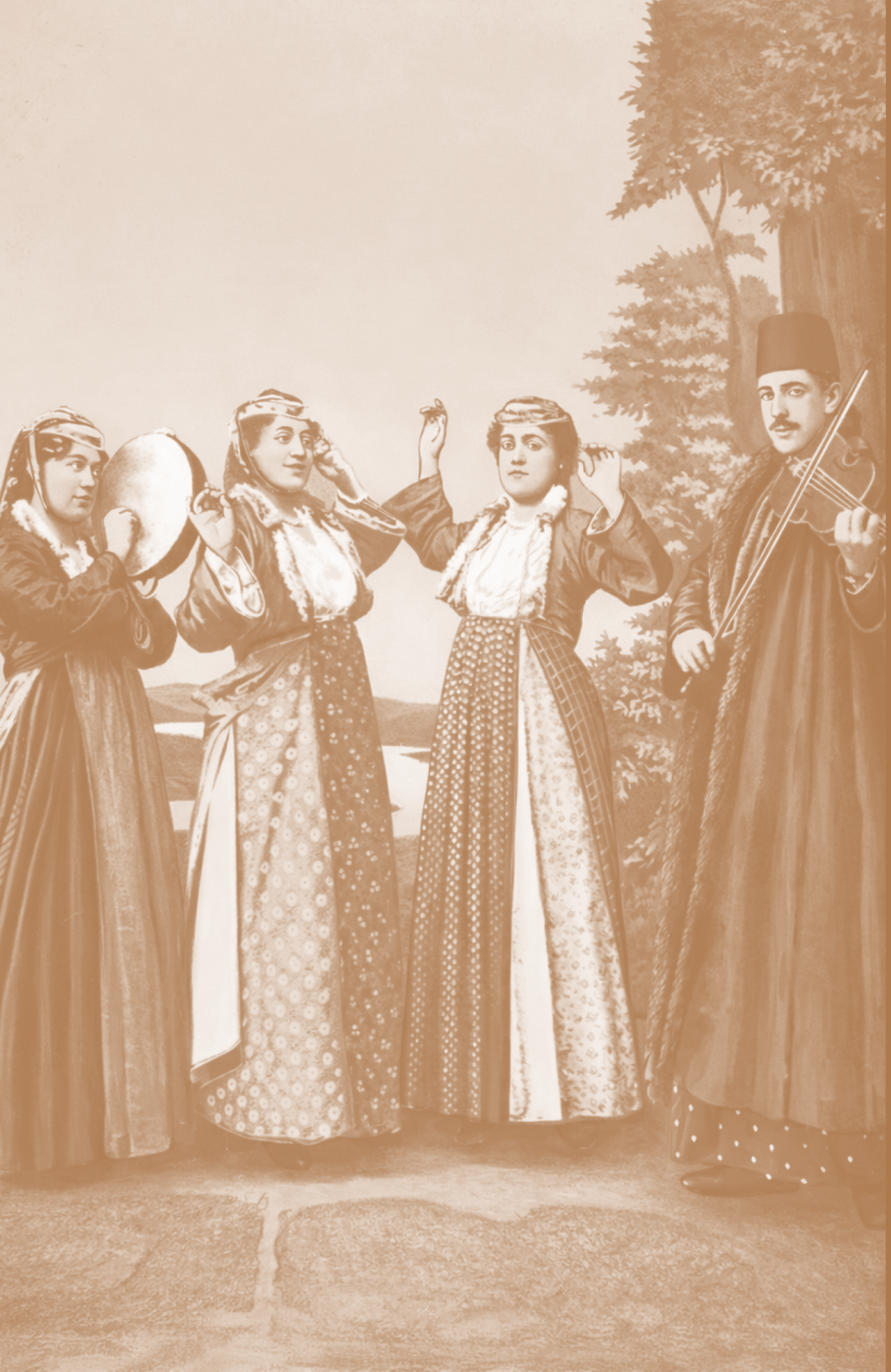
At the end of the fifteenth century, the Jews of the Iberian peninsula were expelled or forced to convert. Many of the exiles who went east settled in the Ottoman Empire, where their languages developed into what is most widely known as Ladino. Others crossed into northern Morocco. In Tetouan, Tangier, and the towns around them, living among speakers of Arabic and Berber, they made the Jewish forms of Castilian and other Iberian languages they brought with them into Haketia, rich in words from Moroccan Arabic and Hebrew. About 30,000 people spoke it in 1900. Haketia was mainly spoken and rarely written down, which is why this course works directly with native speakers.
Over six weekly 90-minute sessions on Zoom, you’ll learn the basics of language documentation, from linguistic fundamentals to fieldwork: how to record, transcribe, and analyze a living language.
All sessions are recorded, so you can attend live or follow along later.
Who this is for:
- Anyone curious about Jewish languages, Sephardic history, or how languages change and survive
- Spanish speakers and students of Ladino who want to hear a Jewish language with Spanish roots
- Anyone with Moroccan Jewish roots who wants to help preserve the language
- Anyone who wants hands-on experience with fieldwork, whether or not they’ve studied linguistics
What you’ll leave with:
- An understanding of what sets Haketia apart from other forms of Judeo-Spanish
- Fieldwork skills you can apply to any endangered language
- A contribution to the permanent record of Haketia
Six Tuesdays: November 3, 10, 17, and 24; December 1, 15, 4–5:30pm Pacific Time (Note: there will be no class on December 8)
Questions? Our FAQ covers registration, recordings of missed sessions, refunds, and financial assistance.